Prickly Pear Seed Oil: Benefits and How to Use It
The Marocraft team · October 18, 2026 · 5 min read
 The Marocraft teamOctober 18, 20265 min read

In this article
Prickly pear seed oil has a reputation as one of the most precious oils in natural skincare, and once you try a few drops you understand why. It is light, it sinks in quickly, and a single small bottle lasts for weeks of evening use.
This guide explains what the oil actually is, what it does for your skin in honest cosmetic terms, how to use it at night step by step, and how to recognise a good bottle before you buy one.
What is prickly pear seed oil?
Prickly pear seed oil is pressed from the tiny seeds hidden inside the fruit of the Opuntia ficus-indica cactus, which grows widely in Morocco. The fruit is harvested, the seeds are separated and dried, then pressed mechanically at low temperature. A good oil is filtered but not refined, bleached or deodorised.
Our cold-pressed prickly pear seed oil for the face has an ingredient list one line long: prickly pear seed oil. No fragrance, no colourants, no preservatives and no other oils are added. Its colour is golden-green and its scent is faint and natural, and both vary slightly from one harvest to the next.
Why such a small bottle is so precious
Each prickly pear holds many small, hard seeds, and those seeds contain only a little oil. It takes a large quantity of fruit, plenty of patient handwork and a slow cold press to fill one small bottle. That is why the oil is sold in 15 ml sizes and why its price sits well above everyday oils.
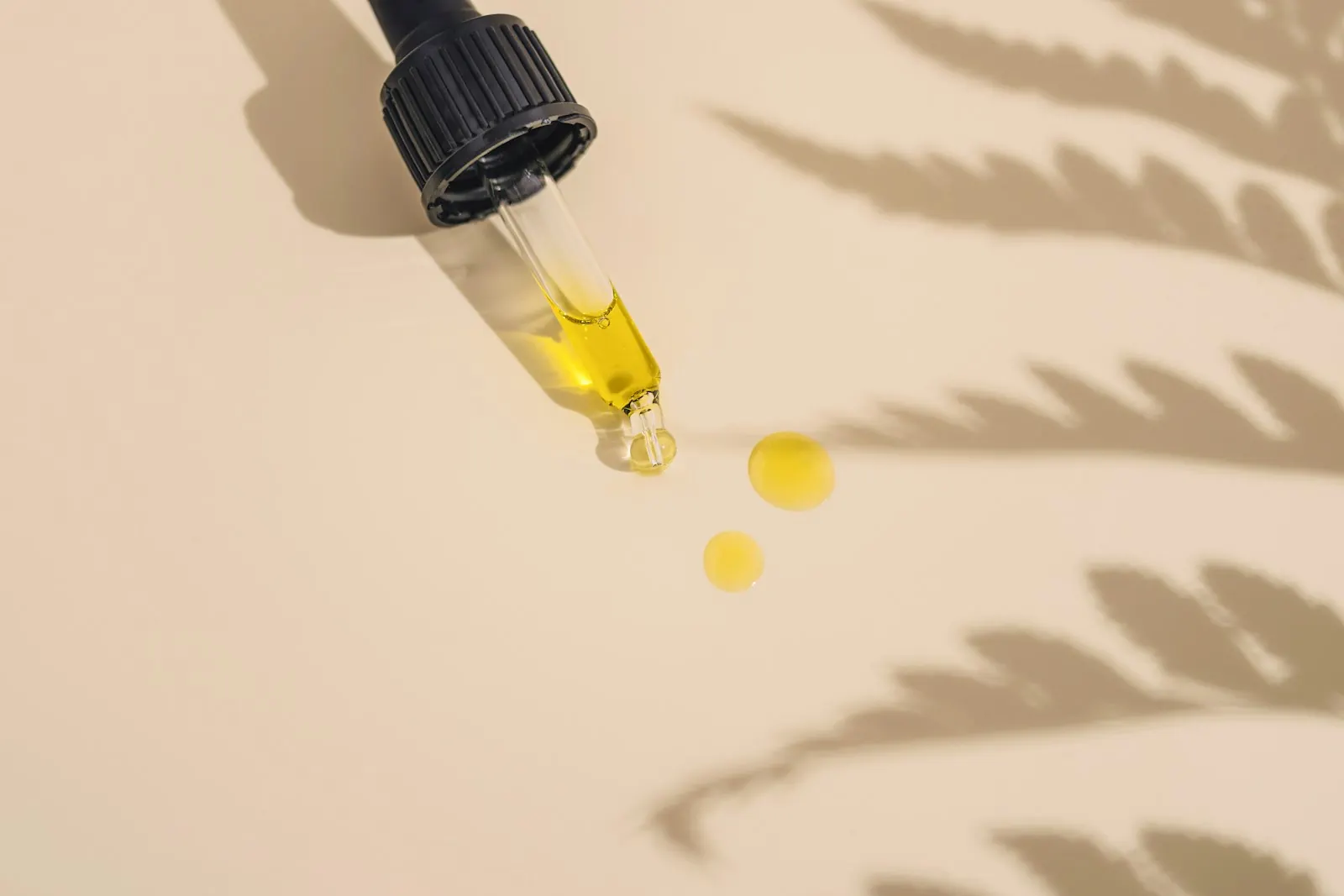
The good news is that you need very little. Two or three drops cover the whole face, so a 15 ml bottle goes further than you might expect. Think of it as a concentrated finishing step rather than a body oil.
What it does for your skin
In cosmetic terms, prickly pear seed oil is valued for its texture. It is light and fluid, it absorbs fast and it leaves skin feeling soft and supple without a heavy, greasy film. Many people who find thicker oils too rich are happy with it.
Its composition is commonly reported to be rich in linoleic acid, a fatty acid naturally present in skin, and in vitamin E. That is part of why it feels so comfortable. We prefer to stay honest: it is a cosmetic oil that helps your skin feel nourished and look smooth, not a medicine, and it is not meant to change any skin condition.
Who it suits
Because it is so light, the oil suits most skin types: normal, combination and dry skin that wants comfort without heaviness. It is particularly pleasant when the air turns cold and skin feels tight, which is why it sits at the heart of our winter care routine for dry skin.
It can be used on the face, the neck and the area around the eyes, while avoiding direct contact with the eyes. If your skin is reactive, start slowly and always do a patch test first.
How to use prickly pear seed oil at night, step by step
Evening is the natural moment for this oil: your skin is clean and you are not putting makeup on top. A splash of distilled rose water before the oil makes the drops glide and spread further.
- Cleanse gently: Wash your face with a mild soap or simply lukewarm water, then pat dry with a soft towel, leaving the skin slightly damp.
- Mist or pat on rose water: Spray rose water or press it in with a cotton pad. Damp skin helps a small amount of oil spread evenly.
- Warm 2–3 drops: Place two or three drops in your palm and rub your hands together for a few seconds.
- Press, do not rub: Press your palms over your cheeks, forehead, chin and neck, then pat lightly with your fingertips until the oil has absorbed.
That is all. Use it every evening or a few nights a week, as your skin prefers. For the full picture, see our natural morning and night skincare routine. Shop the prickly pear seed oil
How to recognise a good oil and store it well
A quality prickly pear seed oil has a short, clear ingredient list: just the oil, sometimes with its botanical name. It should be described as cold-pressed and unrefined. Its colour leans golden to green and it has a faint, slightly green natural scent. A strongly perfumed or completely colourless oil has often been blended or refined.
Look for a dark glass bottle and honest information on where and how the oil was made. We explain how we work with the people who make our products in our article on sourcing from Moroccan cooperatives. At home, keep the bottle tightly closed, away from heat and direct sunlight, and use it regularly rather than saving it for years.
What you need
A simple evening ritual needs only three products. You will find more ideas in our Skin & Body collection:
- Natural argan soap — a gentle bar for the evening cleanse that does not leave skin feeling stripped.
- Distilled rose water — refreshes the skin and leaves it damp, ready for the oil.
- Prickly pear seed oil — 2–3 drops pressed in as your last step.
Rose water is also useful well beyond this routine; our guide to rose water uses for face and hair shows seven easy ways to use it.
Try it as part of a complete gift set
If you would like to discover several Moroccan beauty classics at once, the Moroccan Beauty Secrets set brings together prickly pear seed oil, distilled rose water, aker fassi lip and cheek stain and ithmid kohl powder. It makes a thoughtful present, or a generous gift to yourself.
Every order is packed by hand in our atelier, dispatched within 1 working day and shipped worldwide with FedEx International Priority, with a tracking number. Discover the gift set
Shop this ritual
All Best seller
 Best seller
 New
Frequently asked questions
Yes. Most people use 2–3 drops every evening, but you can also use it a few nights a week. Listen to how your skin feels and adjust.
You can, as it is light and absorbs quickly. Use a single drop, let it settle, then apply your usual sunscreen on top.
Many people with combination skin enjoy it because it is so light. Start with one or two drops on damp skin and see how your skin responds.
It depends on how often you use it, but at 2–3 drops per evening a small bottle lasts a good while. Keep it closed and away from heat and sunlight so it stays pleasant to use.
The oil is unrefined, so its golden-green colour and faint scent vary slightly from one harvest to the next. This is normal for a natural, single-ingredient oil.


